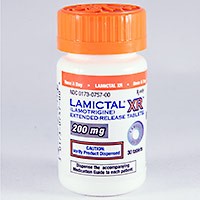
 Stevens-Johnson Syndrome is an extremely painful and potentially deadly condition that can be caused by several medications, including Lamictal. Childers, Schlueter & Smith has recently filed several lawsuits involving Lamictal, Stevens-Johnson Syndrome, and the negligence of healthcare providers involved in the administration of this medication.
What is Lamictal?
Lamictal, also known as Lamotrigine, is prescribed to patients to treat seizures, epilepsy, and also bipolar disorder. Any doctor prescribing Lamictal and any pharmacist dispensing Lamictal should be aware of the association between Lamictal and Stevens-Johnson Syndrome, and should provide patients with proper guidance about these risks.
The FDA has required that the manufacturers of Lamictal include a black box warning on its package specifically related to Stevens-Johnson Syndrome. The black box warning states:
- Lamictal use has been linked to cases of life-threatening rashes, including Stevens-Johnson Syndrome.
- Additional Factors that may increase the risk of rash include: co-administration with valproate (Depakote), exceeding the recommended initial dose of Lamictal, or exceeding the recommended dose escalation for the drug.
- Lamictal can also cause benign rashes, but because it is not possible to predict which rashes might be serious or life-threatening,
- Lamictal should be discontinued at the first sign of rash, unless the rash is clearly not drug-related.
According to the FDA’s black box warning, the rate of serious rash is greater in pediatric patients than in adults. Despite clear warnings from the FDA, many healthcare professionals continue to prescribe Lamictal in increasing amounts, escalate the dose too quickly, and fail to provide any guidance to their patients about this potentially lethal side effect.
Prompt treatment of Stevens-Johnson Syndrome, particularly in a specialty unit or burn unit, can greatly reduce the symptoms of the condition and may even save the patient’s life. This illustrates why proper guidance and dosing is critically important to patient safety, and why it is important for patients who are taking Lamictal to carefully look for any signs of a rash, and to both seek immediate treatment and contact their prescribing physician or pharmacist if one develops.
Other Stevens-Johnson Syndrome News

A study has found that survivors of Stevens-Johnson syndrome (SJS) have a higher risk of cardiovascular problems, specifically cerebrovascular accidents and ischemic heart disease, compared to the general population.

Medical negligence may contribute to Stevens-Johnson Syndrome (SJS) or Toxic Epidermal Necrolysis (TEN). Learn how drug errors, misdiagnosis, or lack of warnings could support a legal claim.

Lamictal has been linked to Stevens-Johnson Syndrome (SJS), a life-threatening skin reaction. Learn how improper prescribing or dosing may lead to serious injuries and legal action.
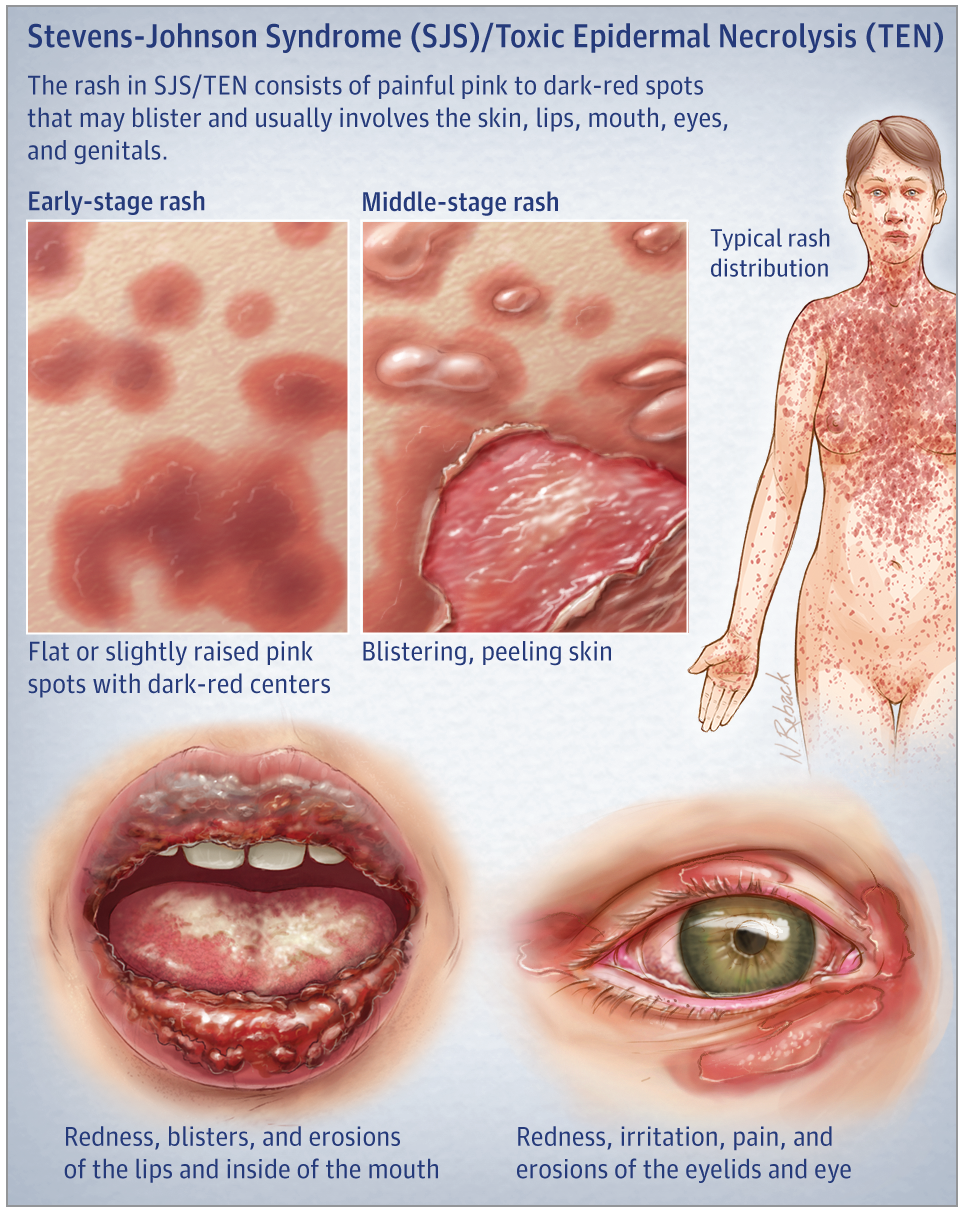
If you've been diagnosed with Stevens-Johnson Syndrome or Toxic Epidermal Necrolysis, it’s critical to act quickly and consult an experienced attorney to protect your legal rights and potential claim.
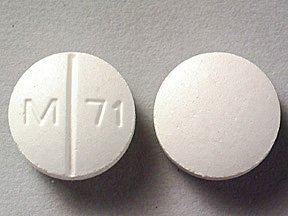
Allopurinol, a common gout medication, has been linked to Stevens-Johnson Syndrome—a rare but serious skin reaction that may require hospitalization and lead to long-term complications.

Improperly prescribed Allopurinol and Lamictal are leading causes of SJS/TEN. Learn how medical errors may have contributed to your injury—and why early legal action is essential.