About Stevens-Johnson Syndrome Lawsuits
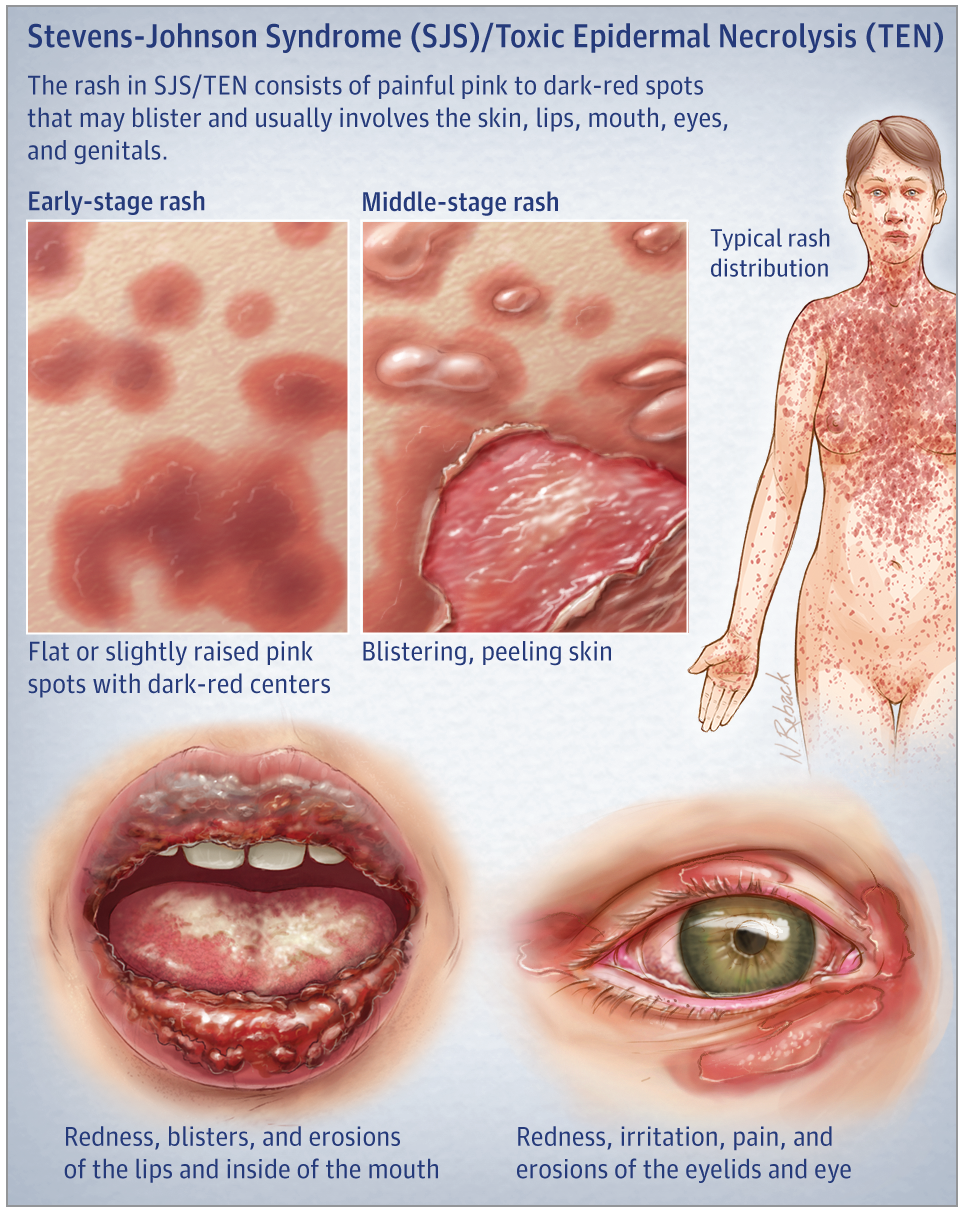
- Stevens-Johnson Syndrome (SJS) is a severe hypersensitivity reaction to medications that causes extensive damage to the skin and mucous membranes. If more than 30% of the skin is affected, it can progress into Toxic Epidermal Necrolysis (TEN), a life-threatening condition requiring urgent medical attention.
- Medical negligence is often a contributing factor in SJS cases, with common errors including failure to warn patients about the risks of medications, misdiagnosis, or improper management of treatment. These failures can worsen the condition, leading to life-threatening complications like TEN.
- Liability in SJS cases may extend to physicians, pharmacists, and drug manufacturers. They can be held accountable for negligence, such as providing inadequate warnings, prescribing incorrect medications, or failing to properly monitor patients on high-risk drugs.
Why Hire CSS for a Stevens-Johnson Syndrome Lawsuit
At Childers, Schlueter & Smith, we offer a distinct advantage in handling Stevens-Johnson syndrome (SJS) and Toxic Epidermal Necrolysis (TEN) cases. As one of the few firms in the country with extensive experience in SJS litigation, we have a deep understanding of the complexities involved in medical malpractice and product liability claims. Our team has successfully held physicians, pharmacists, and drug manufacturers accountable for failures such as inadequate warnings, improper prescriptions, and mishandling of high-risk medications. Known for our unwavering commitment to clients, we have secured favorable settlements and verdicts for SJS victims across the nation. Our comprehensive expertise in the medical, legal, and procedural aspects of SJS/TEN cases makes us the leading choice for those seeking justice and compensation for these life-altering conditions.
CSS is one of the only firms in the country with the specialized knowledge and skill to evaluate and litigate cases involving Stevens-Johnson syndrome (SJS) and Toxic Epidermal Necrolysis (TEN). Our experienced medical malpractice attorneys have obtained favorable settlements for many SJS/TEN clients and tried cases to verdict. Our reputation in this area of the law results in many other law firms referring their SJS/TEN cases to us for handling.

SJS is a hypersensitivity reaction involving the skin and the mucous membranes that is often caused by medication. TEN is a continuation of the same disease process; a patient is classified as having TEN when there is more than 30% skin involvement. Over 200 medications are linked to SJS/TEN, some more strongly linked than others. It is believed that more than 500,000 people each year are affected by SJS/TEN, with females being more often affected than males. In many instances, SJS/TEN can be life-threatening and early intervention is critical to a favorable outcome. If you or a loved one is dealing with this medical condition, consider consulting an Atlanta Stevens-Johnson Syndrome (SJS) lawyer.
Drugs Linked to SJS
According to one source, SJS/TEN is triggered by medications or upper respiratory infections in 74% to 94% of cases. The following is a list of some of the drugs that are most commonly associated with SJS/TEN:
- Allopurinol/Zyloprim/Aloprim;
- Dilantin/Phenytoin; and
- Lamictal/Lamotrigine;
SJS/TEN in Children
In children, medications are the most common cause of SJS/TEN. Symptoms typically present within the first 8 weeks after initiation, with greater risk at higher doses and with rapid introduction. This is why most drugs strongly associated with SJS/TEN are to be started at very low levels and titrated, or increased, over time, with close monitoring by a physician. If you or your child took any of the medications listed, you may want to speak with an attorney about a potential Stevens-Johnson Syndrome case.
Symptoms of SJS and TEN
The symptoms of Stevens-Johnson syndrome include:
- For the first couple of days, flu-like symptoms such as sore throat, cough, fever, and burning eyes;
- Hives;
- Blisters, normally first presenting in or around the mouth;
- Red or purple skin rash;
- Shedding of skin;
- Skin pain;
- Swelling of the tongue;
- Swelling of the face;
Some manufacturers of drugs known to cause SJS/TEN fail to include adequate warnings on their prescribing labels, boxes, or package inserts. Many medical
providers also fail to adequately counsel their patients about the early signs of SJS/TEN and the life-threatening implications if the medical intervention is not sought out expeditiously. Therefore, some patients continue to ingest the same drug even after the SJS/TEN disease
process begins, thus, exacerbating the symptoms and worsening the outcome. In one study, medical researchers found that early withdrawal of the causative drug reduced the risk of death by 30% for each day before the development of skin blisters. SJS/TEN is also frequently misdiagnosed resulting in a delay of treatment, which can, in and of itself, be a claim for medical malpractice. A local lawyer familiar with SJS cases could determine whether you have a valid claim.
What Happens When You are Diagnosed With Stevens-Johnson Syndrome?
There are many possible complications of SJS/TEN, along with varying symptoms. First, the skin reaction can lead to life-threatening conditions, such as meningitis and sepsis.
Meningitis is an infection of the membrane and fluid surrounding the brain and spinal cord. Sepsis is an inflammatory infection of the whole body. This can occur when bacteria from a major infection enter the bloodstream and spread throughout the body. It is a life-threatening infection because it can cause shock and organ failure.
If you are diagnosed with SJS/TEN, you may experience eye problems, damage to internal organs, and/or permanent skin damage, requiring post-hospitalization follow up with ophthalmologists, pulmonologists, and dermatologists, to name a few.
It is highly recommended that if you have, or are suspected of having, SJS/TEN you seek immediate medical attention and stop taking the triggering medication after consulting with your doctor. Once an SJS/TEN diagnosis is made or suspected, serious consideration should be given to transfer to a designated Burn Center. Information regarding Burn Centers can be found on the America Burn Association website. After you have begun treatment for SJS/TEN, it is time to speak with a lawyer.
Contact Our Atlanta SJS Attorneys Today
If you or a loved one has recently taken an over-the-counter drug or prescription drug and you have developed Stevens-Johnson Syndrome or Toxic Epidermal Necrolysis, contact our lawyers at Childers, Schlueter & Smith to see how we can help protect your legal rights. Our Atlanta Stevens-Johnson Syndrome (SJS) lawyers help patients and families all over the country, and we do so with unparalleled experience and results.
Frequently Asked Questions
Stevens-Johnson syndrome is a rare but severe reaction, usually triggered by medications, that causes painful skin blistering and peeling, as well as damage to the mucous membranes. It often begins with flu-like symptoms and can progress rapidly, sometimes leading to life-threatening complications. In more severe cases, where over 30% of the skin is affected, it becomes Toxic Epidermal Necrolysis (TEN). Early medical intervention is critical to managing the condition.
Early symptoms resemble the flu, such as sore throat, cough, and fever. Other symptoms include red or purple skin rash, skin pain, blistering, hives, and shedding of skin.
Both are part of the same disease spectrum. SJS involves less than 30% of the skin, while TEN occurs when more than 30% of the skin is affected, leading to more severe complications.
Yes, SJS and TEN can lead to life-threatening conditions like sepsis, organ failure, and permanent skin damage. Early medical intervention is vital.
Medical malpractice can occur when healthcare providers fail to warn patients properly about the risks of medications, prescribe incorrect doses, or fail to monitor patients for early signs of SJS. Misdiagnosis or delayed diagnosis can worsen the condition, making it potentially fatal.
Physicians, pharmacists, and drug manufacturers may be liable. Doctors who prescribe medications without proper warnings or monitoring, pharmacists who fail to counsel patients, and manufacturers who do not provide adequate warnings on labels can all face legal action.
Seek immediate medical attention, stop taking the suspected medication under a doctor’s supervision, and consider consulting with a lawyer to discuss your legal options.
A lawyer with experience in SJS cases can help determine if you have a valid medical malpractice or product liability claim and assist in securing compensation for medical bills, lost wages, pain and suffering, permanent disability, and, in severe cases, wrongful death.
Free Case Evaluation
Stevens-Johnson Syndrome Attorneys
Recent Stevens-Johnson Syndrome News

Stevens-Johnson syndrome and toxic epidermal necrolysis are rare but life-threatening reactions often linked to medications. Learn how SJS and TEN differ, common warning signs, long-term complications, and when medical malpractice may be involved.
A study has found that survivors of Stevens-Johnson syndrome (SJS) have a higher risk of cardiovascular problems, specifically cerebrovascular accidents and ischemic heart disease, compared to the general population.
Medical negligence may contribute to Stevens-Johnson Syndrome (SJS) or Toxic Epidermal Necrolysis (TEN). Learn how drug errors, misdiagnosis, or lack of warnings could support a legal claim.

Lamictal has been linked to Stevens-Johnson Syndrome (SJS), a life-threatening skin reaction. Learn how improper prescribing or dosing may lead to serious injuries and legal action.
If you've been diagnosed with Stevens-Johnson Syndrome or Toxic Epidermal Necrolysis, it’s critical to act quickly and consult an experienced attorney to protect your legal rights and potential claim.
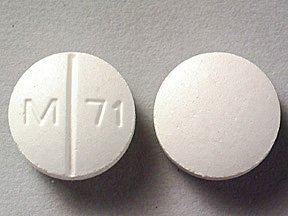
Allopurinol, a common gout medication, has been linked to Stevens-Johnson Syndrome—a rare but serious skin reaction that may require hospitalization and lead to long-term complications.